
Travel Advisory Egypt for US Citizens: Safety Updates and Travel Tips
 By Axel Donovan
The travel advisory for Egypt issued by the U.S. Department of State is an essential guide for American citizens planning to visit this historic destination. It provides updated information on safety conditions, risk levels, and areas that travelers should avoid.
Understanding these advisories helps US citizens make informed travel decisions and prepare for potential risks before and during their trip to Egypt.
- What is the current travel advisory for Egypt?
- Why has the US issued a travel advisory for Egypt?
- Areas of Egypt with higher risk for US citizens
- Is it safe for US citizens to travel to Egypt?
- Safety tips for US citizens traveling to Egypt
- Travel requirement for US citizens visiting Egypt
- US embassy and consular support in Egypt
- In conclusion
What is the current travel advisory for Egypt?
The current travel advisory for Egypt advises US citizens to exercise increased caution due to security and safety concerns. The advisory mentions the existing threats of terrorism, crime, and poor emergency response in some areas. Higher-risk areas include the Sinai Peninsula, the Western Desert, and border regions, which are not recommended for travel.
Popular tourist destinations such as Cairo and major resort areas remain open to visitors, however, the US citizens are advised to be vigilant, follow local authorities’ instructions and keep abreast of the official developments before visiting and during their stay.
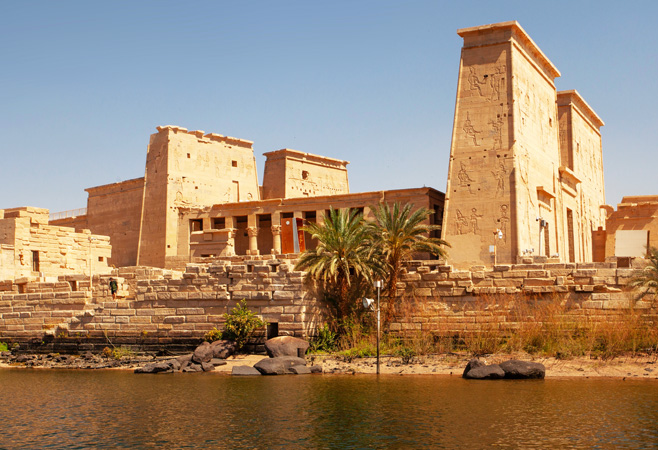
US travel advisory for American citizens visiting Egypt
Why has the US issued a travel advisory for Egypt?
The US has released a travel advisory for Egypt to inform its citizens in order to assist them on risks that may arise and help them make decisions. Key reasons include:
- There are also terrorism risks that may occur especially in some areas, and security incidents can take place without any notice.
- The scams that target tourists and other criminal activities are common in urban centers and tourist destinations, such as theft and harassment.
- Civil unrest and protests are likely to occur with minimal notice and may escalate quickly, posing safety risks
- The ability of US authorities to assist citizens in remote or high-risk areas may be limited due to restricted consular access.
- Outside the big cities, the quality of healthcare and emergency services might not be up to the US standards, and it becomes even more dangerous in the case of medical emergencies.
Given these risks, the advisory aims to promote awareness, preparedness and responsible travel among US citizens traveling to Egypt.
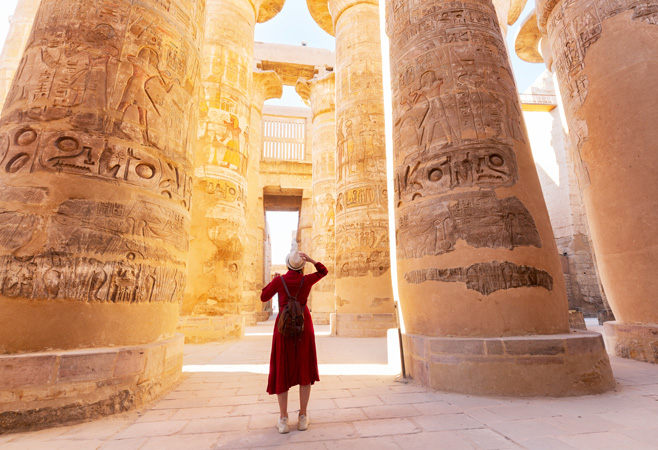
Reasons behind the US travel advisory for Egypt
Planning a visit to Egypt from Australia? Our travel advice Egypt Australia guide provides useful safety information, travel alerts, and preparation tips.
Areas of Egypt with higher risk for US citizens
Certain regions in Egypt present elevated safety risks due to security, terrorism, and limited emergency support for travelers.
Places US citizens are advised to avoid in Egypt
In the existing travel advisory Egypt to US citizens, various destinations are deemed as high-risk and not advisable to visit:
- Northern and central areas of the Sinai Peninsula: This is an unsafe region due to the security operations and terrorism that is still happening in the area and cannot be secured by civilians.
- Remote desert areas: The infrastructure is limited, and emergency services are less effective, which makes the remote areas prone to any accidents or security incidents.
- Any location close to a military or government base: It might be a sensitive area and experience increased security or sudden restrictions.
- Spontaneous demonstrations or protests: The demonstrations may start rapidly and it may be dangerous in terms of detention or violence.
- Unregulated travel routes outside designated tourist areas: When people go to tourist sites unaccompanied by the guides or in directions not approved or designed as a tourist destination, they can be exposed to more danger and crime.
By not going to these places, there will be less exposure to unknown dangers and the US citizens could concentrate on other lesser risk destinations.
Western Desert and border areas
The border areas of the Western Desert and Egypt are noted as being of greater risk to the US citizens because of a few reasons:
- Close location to volatile borders especially towards Libya and Sudan.
- Militant action and armed smuggling in the remote regions.
- Lack of police force and delay in emergency services.
- Adverse weather factors which make rescue difficult.
- Limited admittance of US consular help.
Due to such circumstances, travelers might also not get timely assistance in the case of an emergency. The advisory highly discourages traveling to these areas even to the experienced travelers because the risks involved are more than the gains.
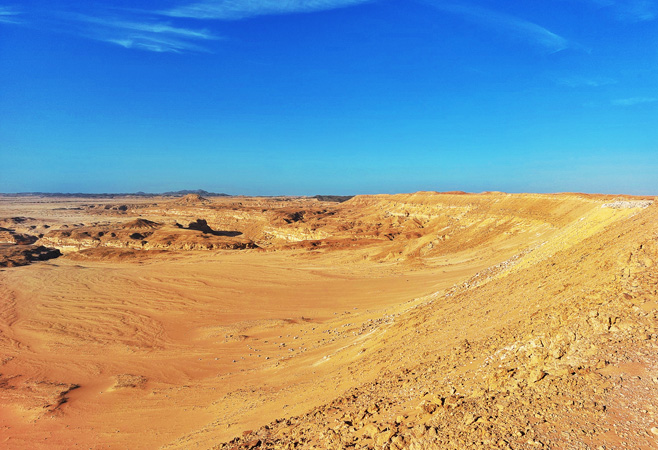
Western desert areas and border zones
For more destination-specific recommendations, check out our Canada travel advisory Egypt article to learn about the latest safety conditions and travel preparations.
Is it safe for US citizens to travel to Egypt?
To most travelers, Egypt may be secure when due care is observed though, the level of risks differs depending on the places. Key considerations include:
- Large tourist attraction sites are normally characterized by conspicuous security and restricted access.
- Posting with licensed tour operators limits the possibility of risk.
- Being aware and not going into restricted spaces enhances security.
- Travelers should remain vigilant in crowded areas.
- Travel insurance and emergency preparedness are highly encouraged.
In conclusion, the travel advisory Egypt as it applies to the US citizens does not prohibit travel to Egypt, but it focuses on informed traveling, awareness of location and responsible actions in order to have a safer traveling experience.
Safety tips for US citizens traveling to Egypt
To reduce risk while traveling under the travel advisory Egypt for US citizens, follow these practical safety tips:
- Monitor official advisories regularly to stay updated on security changes.
- Enroll in the STEP program to receive alerts and enable embassy contact in emergencies.
- Avoid demonstrations, protests, and large gatherings, which can escalate without warning.
- Use reputable hotels and licensed tour operators with established security protocols.
- Limit travel at night, especially outside major cities or tourist zones.
- Keep copies of travel documents and store originals securely.
- Be cautious in crowded areas where pickpocketing and scams are common.
- Respect local laws and customs, as violations can lead to detention.
- Carry comprehensive travel and medical insurance, including evacuation coverage.
These precautions help US citizens travel more confidently while minimizing exposure to avoidable risks.
Travel requirement for US citizens visiting Egypt
US citizens traveling to Egypt must meet several entry requirements:
- A valid US passport, typically with at least six months of remaining validity.
- An Egyptian visa, which can be obtained through the official Egypt e-Visa system or as a visa on arrival at major airports.
- Proof of onward or return travel, if requested by authorities.
- Sufficient funds to support the stay.
- Travel and health insurance, strongly recommended due to variable medical standards.
Entry rules may change, so travelers—especially those applying for an Egypt e-Visa for US citizens—should verify requirements before departure to ensure compliance with current regulations. Meeting these conditions helps prevent delays, denied entry, or complications at immigration checkpoints.
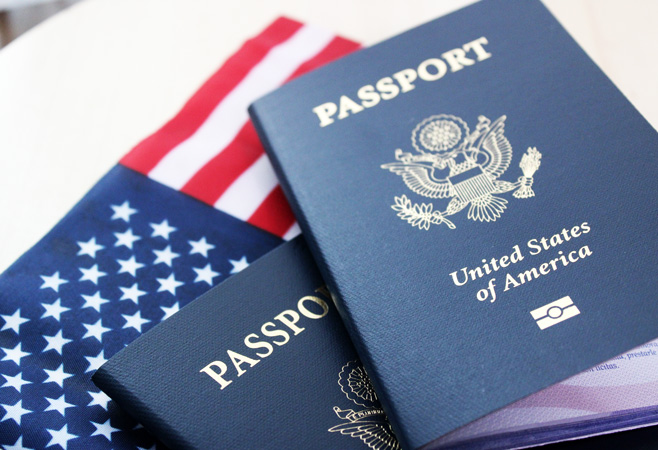
Egypt travel requirements for American citizens
US embassy and consular support in Egypt
The US Embassy in Cairo provides essential services to American citizens, including passport services, emergency assistance, and crisis support. Cases of arrest, medical emergency or lost documents may be helped by the consular officers. There can be a lack of support in restricted or high risk areas though. US citizens travelling to Egypt have been advised in the travel advisory that they should be aware of the contacts of the embassy, learn the local laws and be responsible to themselves because the US government cannot interfere in all the legal or security issues.
In conclusion
Finally, the travel advisory to the US citizens on Egypt states that individuals should be knowledgeable, careful, and prepared to travel. Although a number of Americans travel to Egypt safely each year, location-specific risks can be rather dangerous, and they may rapidly evolve. With a well-thought-out approach and the selection of the services of good reputation, the possible problems can be minimized to an essential level. US citizens should also verify entry requirements in advance, such as applying to Egypt e-Visa option, which would facilitate in simplifying the entry and avoiding delays at the border.
Related Articles
- South Africa to Egypt Distance: Flight Time & Routes
- Nigeria to Egypt Distance: Flight Time, Routes and Travel Guide
- Egypt Begins Digital Visa on Arrival Pilot at Cairo Airport in August 2026
- Singapore to Egypt Distance, Flight Time & Visa Guide
- Malaysia to Egypt Distance: Complete Travel Guide
- Distance Qatar to Egypt: Flight, Driving & Travel Time Guide
- Qalawun Complex Cairo: History, Architecture & Visitor Tips
- Waterfall Egypt: Complete Guide to Wadi El Rayan, Egypt’s Only Waterfall
- Egypt Tour from Singapore: Best Packages and Travel Tips
- Egypt Holiday Tour Package from Malaysia 2026

 NEED HELP 24/7
 United States
  United Kingdom
  Singapore
  Viber
Viber 


