
Qalawun Complex Cairo: History, Architecture & Visitor Tips
 By Axel Donovan
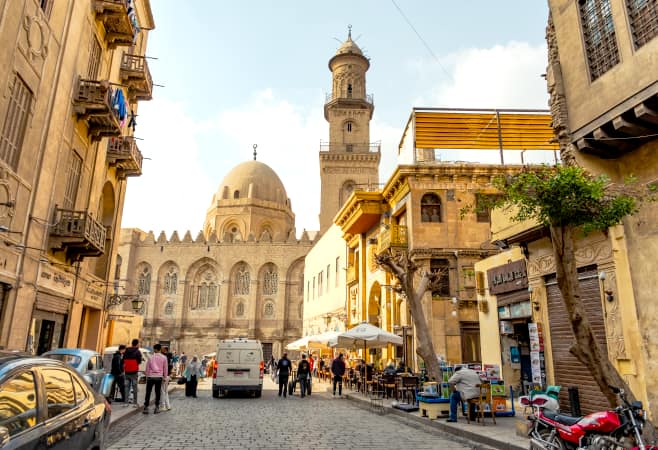
The Qalawun Complex is one of the most amazing monuments in Islamic Cairo and a masterpiece of Mamluk architecture. This famous landmark is located on Al-Muizz Street and it is a single building that houses a mausoleum, a madrasa and a hospital. It is known by several names, such as the complex of Qalawun, the complex of Sultan Al Mansur Qalawun, and the Sultan Qalawun complex, which symbolizes the political power, artistic excellence and social vision of the Mamluk period. It is still one of the most significant cultural and historical sites in Cairo today.
- What is the Qalawun Complex?
- The history of the Qalawun Complex
- Architecture of the Qalawun Complex
- The four main components of the Qalawun Complex
- Unique architectural features you should not miss
- Why the Qalawun Complex is important to Islamic history
- Visiting the Qalawun Complex today
- Visitor tips before you go Qalawun Complex
- FAQs about Qalawun Complex
- In conclusion
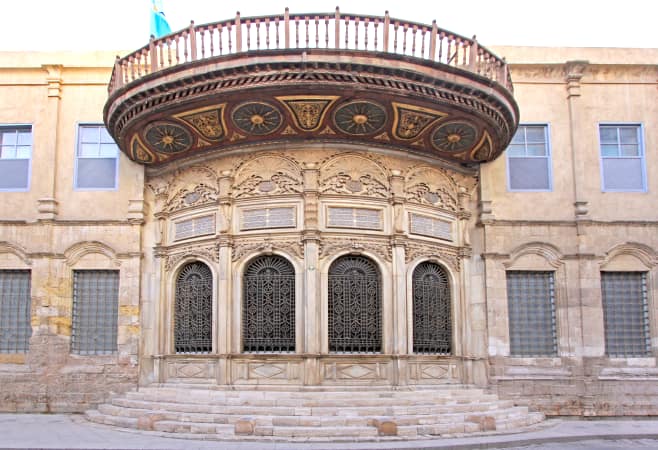
Discover the timeless beauty of the Qalawun Complex
What is the Qalawun Complex?
The Qalawun Complex is a monumental religious and civic complex commissioned by Sultan Al-Mansur Qalawun in the late 13th century.
The entire complex of Sultan Qalawun was a multi-purpose building which served several functions, unlike the numerous medieval buildings which functioned for one thing only. It contained a madrasa for the education of Islam, a mausoleum for the Sultan and a Bimaristan which offered medical services to the general public.
The monument is now regarded as one of the finest of Mamluk architecture and is the highlight of Historic Cairo.
The history of the Qalawun Complex
It was ordered to be built by Sultan Al Mansur Qalawun, and was finished between 1284 and 1285, during the Bahri Mamluk era. The site where the project was constructed is the site of an old Fatimid palace in the prestigious Bayn al-Qasrayn district.
The purpose of the complex was to display Sultan Qalawun's piety and sovereignty. The monument withstood political transformation, nature and urban growth over the centuries. Notably it has been preserved thanks to restoration work so that one can enjoy one of Cairo's most important medieval landmarks.
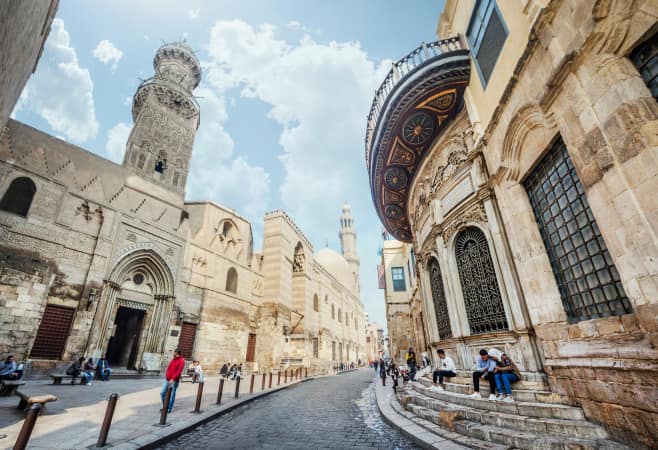
The fascinating past of the Qalawun Complex
Architecture of the Qalawun Complex
The architecture of the Qalawun Complex is renowned for its refined design, intricate decoration, and innovative blend of artistic influences.
The significant architectural features include:
- A stone facade with elaborate carvings and motifs in relief, resembling a monument.
- Large portal entrance to impress visitors and to communicate royal prestige.
- Mosaics and inlays made of marble displaying masterpieces of workmanship.
- Beautiful stained glass windows for inside the building which provide beautiful lighting effects.
- The use of decorative calligraphy with Quranic letters.
- The mausoleum's dome is widely regarded as one of the finest achievements of Mamluk architecture.
- It is a blend of Islamic, Fatimid and Gothic elements, and is unique among Cairo monuments.
The complex is one of Egypt's most admired medieval Islamic architectures, due to these features.
The four main components of the Qalawun Complex
The Qalawun Complex was commissioned by Sultan al-Mansur Qalawun between 1284 and 1285 and remains one of the finest examples of Mamluk architecture in Cairo. Located on Al-Muizz Street, the complex was designed as a multifunctional religious, educational, and charitable institution.
The most prominent component is the Mausoleum of Sultan Qalawun, which houses the sultan’s tomb. Renowned for its richly decorated marble surfaces, gilded inscriptions, and impressive dome, it is often considered one of the most beautiful mausoleums in the Islamic world.
Another key element is the Madrasa, a school dedicated to teaching Islamic law and religious sciences. It played an important role in educating scholars and promoting Sunni Islamic learning during the Mamluk era.
The complex also includes a Bimaristan (hospital), one of the largest and most advanced medical institutions of medieval Cairo. Historical records indicate that it provided free treatment, medicine, and care for patients regardless of their social status.
Completing the complex is the Mosque and prayer area, which served both residents and visitors. Together, these four components reflect the Mamluk vision of combining worship, education, healthcare, and memorial architecture within a single monumental complex.
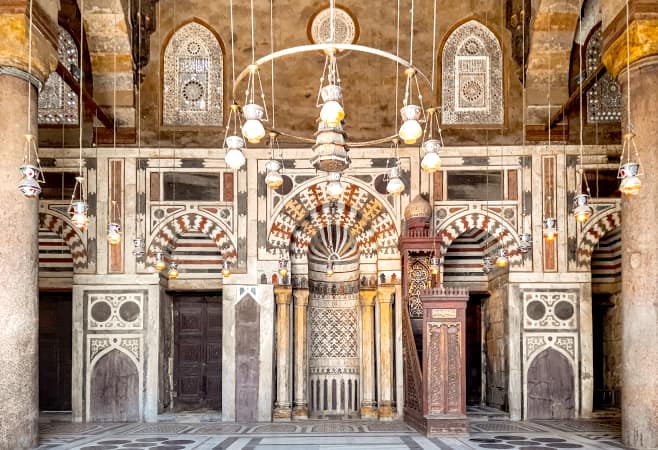
Tracing the past of the Qalawun Complex
Unique architectural features you should not miss
Visitors exploring the Sultan Qalawun Complex will discover many extraordinary details that distinguish it from other historic monuments in Cairo.
Notable features include:
- The grand entrance portal, one of the finest examples of Mamluk craftsmanship.
- The marble mihrab, decorated with colorful stone inlays and geometric patterns.
- The soaring mausoleum dome, an engineering achievement of its era.
- Intricate stucco decorations covering walls and arches.
- Beautiful Quranic calligraphy integrated throughout the complex.
- Imported marble columns showcasing the wealth and influence of the Mamluk rulers.
- Historic stained-glass windows that create a unique atmosphere inside the building.
These elements combine to create a memorable architectural experience for visitors and historians alike.
Why the Qalawun Complex is important to Islamic history
The Qalawun Complex is an exceptional feat in Islamic art and architecture. It combined education, health care and religious services in one, and was designed around a holistic concept of public good.
The monument also illustrates the political and cultural power of the Mamluk Sultanate in the 13th century. Its architectural innovations were followed by many buildings in later Islamic Egypt & elsewhere.
The complex is today regarded as an extraordinary repository of information on the social, political, architectural and administrative life of the medieval Islamic world. The preservation of it helps the future generations to understand the achievements of one of the most influential periods in Cairo.
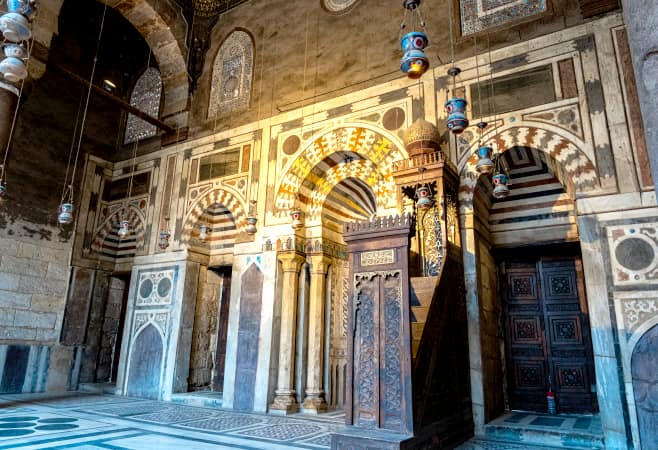
A landmark that shaped Islamic history
Visiting the Qalawun Complex today
The Qalawun Complex remains a major attraction in Islamic Cairo and can easily be included in a walking tour of Al-Muizz Street.
Before visiting, keep these points in mind:
- Location: Al-Muizz Street, Historic Cairo.
- Nearest attractions: Khan El Khalili Bazaar, Sultan Barquq Complex, and Al-Hakim Mosque.
- Opening hours: Generally during daytime operating hours for historic monuments.
- Qalawun Complex entrance fee: Ticket prices may vary for Egyptian and international visitors, so checking the latest official rates before arrival is recommended.
- Photography: Photography is typically allowed, though regulations may change.
- Best visiting time: Early morning or late afternoon for cooler temperatures and fewer crowds.
A guided tour can provide deeper insight into the monument's rich history and symbolism.
Visitor tips before you go Qalawun Complex
By making a few arrangements ahead of time, you'll have a more pleasant and successful trip to the complex of Qalawun.
Some helpful tips for travelling are:
- For exploring Islamic Cairo it is important to wear comfortable shoes.
- Dress modestly in respect of the religious significance of the site.
- Take water, particularly in hot weather.
- If you need detailed explanations of history, hire a licensed local guide.
- See the nearby monuments on Al-Muizz Street and make the most of the experience.
- Bring some money to pay for entrance fees and purchases.
- Allow enough time to appreciate the architecture and intricate details.
- If you're looking for a more relaxed experience, try visiting during the weekdays.
These are some easy things to do to make your experience more enjoyable.
Helpful advice before exploring the Qalawun Complex
FAQs about Qalawun Complex
Below are answers to some of the most common questions travelers ask before visiting this historic landmark.
Who built the Qalawun Complex?
The Qalawun Complex was commissioned by Sultan Al-Mansur Qalawun, one of the most powerful rulers of the Bahri Mamluk dynasty, and completed in the late 13th century.
How old is the Qalawun Complex?
The complex was completed in 1285, making it more than 740 years old. It remains one of the best-preserved monuments from the Mamluk period.
Is the Qalawun Complex part of a UNESCO World Heritage Site?
Yes. The complex is located within Historic Cairo, which is recognized as a UNESCO World Heritage Site due to its exceptional cultural and historical significance.
How much time should visitors spend at the complex?
Most visitors spend between 45 minutes and 1.5 hours exploring the mausoleum, madrasa, architectural details, and surrounding attractions on Al-Muizz Street.
Can tourists enter the mausoleum and madrasa?
Yes. In most cases, visitors can enter both the mausoleum and madrasa areas, subject to opening schedules and conservation regulations.
In conclusion
The Qalawun Complex remains one of Cairo's most remarkable Mamluk monuments, offering visitors a unique glimpse into the city's architectural and cultural heritage. For those looking to travel to Egypt, it is advisable to get an Egypt e-Visa ahead of their travel to make arrangements for the trip easier and smooth.
Related Articles
- Nigeria to Egypt Distance: Flight Time, Routes and Travel Guide
- Egypt Begins Digital Visa on Arrival Pilot at Cairo Airport in August 2026
- Singapore to Egypt Distance, Flight Time & Visa Guide
- Malaysia to Egypt Distance: Complete Travel Guide
- Distance Qatar to Egypt: Flight, Driving & Travel Time Guide
- Waterfall Egypt: Complete Guide to Wadi El Rayan, Egypt’s Only Waterfall
- Egypt Tour from Singapore: Best Packages and Travel Tips
- Egypt Holiday Tour Package from Malaysia 2026
- Egypt to Russia Distance: Flight Time & Travel Guide

 NEED HELP 24/7
 United States
  United Kingdom
  Singapore
  Viber
Viber 


